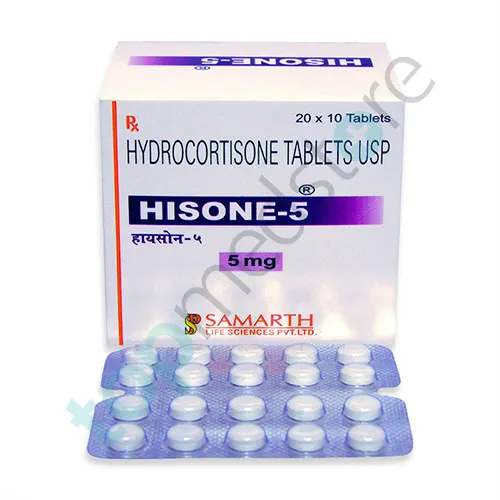
Hydrocortisone 5mg
$50.00 – $164.00
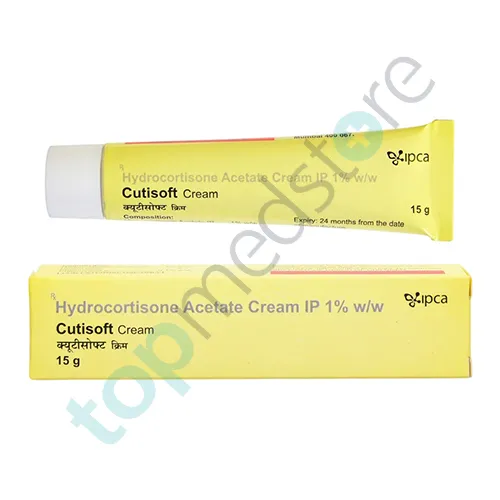
| Product name | Hydrocortisone Cream 1%-15g |
|---|---|
| Active Ingredient | Hydrocortisone |
| Dosage | 1% 15g |
| Drug Type | Tubes |
| Indication | Dermatitis |
| Manufacturer | Ipca |
Total $36.18
Hydrocortisone 1% Cream (15g) is a mild steroid-based skin medicine used to reduce redness, itching, swelling, and irritation in various skin conditions.
It is commonly prescribed for conditions like eczema, allergic skin reactions, insect bites, rashes, and mild dermatitis. These conditions happen when the skin becomes inflamed due to allergies, irritants, or immune system overreaction.
This medicine is usually recommended by dermatologists and general physicians for short-term use to quickly control skin inflammation and discomfort.
It is not a permanent cure, but it helps calm the skin and relieve symptoms effectively.
When Hydrocortisone 1% cream is applied to the skin, it works directly at the site of inflammation.
Skin inflammation happens when the immune system becomes overactive and releases chemicals that cause redness, itching, and swelling.
Hydrocortisone works by reducing the activity of these inflammatory chemicals in the skin.
It blocks the release of substances like prostaglandins and other immune signals that cause swelling and irritation.
As inflammation decreases, the skin becomes less red, less itchy, and more comfortable.
Because it works locally on the skin, it provides fast relief in mild inflammatory conditions when used correctly.
Doctors prescribe Hydrocortisone 1% cream for a variety of mild skin conditions where inflammation is present.
Hydrocortisone is commonly used for eczema, where the skin becomes dry, itchy, and inflamed due to allergic reactions or skin sensitivity.
It is also used for allergic skin reactions, such as rashes caused by soaps, detergents, or environmental irritants.
Insect bites and stings that cause redness, swelling, and itching can also be treated with this cream.
It may be used for mild dermatitis, including contact dermatitis, where the skin reacts to external substances.
Doctors often recommend it for short-term relief of itching and inflammation, especially in sensitive or easily irritated skin.
Hydrocortisone works by controlling the skin’s immune response.
When the skin is irritated or exposed to allergens, the immune system becomes active and releases chemicals that cause inflammation.
These chemicals lead to symptoms like redness, swelling, warmth, and itching.
Hydrocortisone reduces the activity of these immune responses in the skin.
It slows down the production of inflammatory chemicals and calms overactive immune cells.
As inflammation decreases, the skin gradually returns to a more normal condition and symptoms improve.
This makes it effective for short-term relief of mild skin inflammation.
Most people tolerate Hydrocortisone 1% cream well when it is used for a short duration and on small areas of skin.
Hydrocortisone may sometimes cause mild side effects such as burning, stinging, or slight irritation at the application site, especially when first applied.
With prolonged or excessive use, the skin may become thinner, more sensitive, or more prone to irritation.
Some people may also develop dryness, lightening of skin color, or stretch marks if used for a long time on large areas.
Rarely, allergic reactions may occur, leading to worsening redness or itching.
Doctors usually recommend using a thin layer only on affected areas and avoiding long-term continuous use unless specifically advised.
This content is for educational purposes only. It does not replace medical advice, diagnosis, or treatment. Always consult a dermatologist or healthcare professional before using Hydrocortisone. Use this medicine only as prescribed and follow proper medical guidance for safe and effective treatment of skin inflammation and allergic conditions.
$50.00 – $164.00
$63.30 – $207.60
$82.49 – $269.96
$37.05 – $121.32