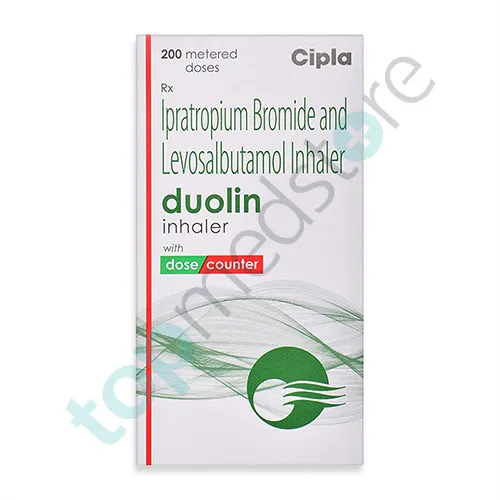
Ipratropium Bromide-LevaSalbutamol 200 Metered Doses
$101.01 – $257.16
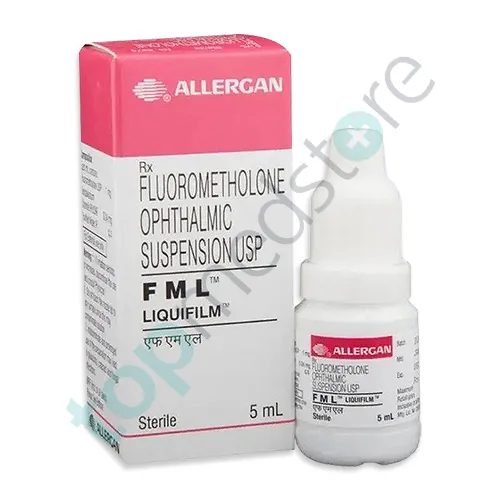
| Product name | Fluorometholone Soln 0.1%-5ml |
|---|---|
| Active Ingredient | Fluorometholone |
| Dosage | 0.1% 5ml |
| Drug Type | Bottles |
| Indication | Eye Inflammation |
| Manufacturer | Allergan |
Fluorometholone 0.1% 5ml Ophthalmic Eye Drops (Suspension)
In stock
Total $25.62
Fluorometholone 0.1% eye solution (5ml) is a prescription eye medicine used to treat redness, swelling, itching, and irritation in the eyes caused by inflammation or allergies. It is commonly prescribed by an ophthalmologist (eye specialist doctor).
This medicine belongs to a group called corticosteroids (anti-inflammatory medicines that reduce swelling and allergic reactions in the body, especially in the eyes in this form).
In simple words, Fluorometholone eye drops help calm irritated and inflamed eyes and reduce redness and discomfort.
Eye inflammation happens when the eye’s immune system reacts strongly to triggers like dust, allergies, infection recovery, or injury. This leads to symptoms such as redness, itching, swelling, and sensitivity to light.
In conditions like allergic conjunctivitis (eye allergy that causes red, itchy, watery eyes) or post-surgery inflammation, the eye releases chemicals that increase swelling and discomfort.
Fluorometholone works by reducing this inflammatory response inside the eye. It blocks the release of substances that cause swelling and irritation.
As inflammation reduces, the eye becomes less red, less itchy, and more comfortable.
In simple words, this medicine helps calm down eye inflammation so redness, swelling, and irritation slowly go away.
Fluorometholone eye drops are mainly used for eye allergies, where the eyes become red, watery, and itchy due to dust, pollen, or environmental irritants.
It is also used for eye inflammation (swelling and irritation inside the eye caused by different triggers).
Doctors may prescribe it after eye surgery, where inflammation needs to be controlled during healing.
It can also be used in certain eye conditions where long-term irritation or immune reaction affects the eye surface.
In clinical practice, an ophthalmologist uses this medicine when quick and controlled reduction of eye inflammation is required.
Fluorometholone is a corticosteroid (a type of medicine that reduces inflammation by calming the immune system’s overreaction).
In the eye, inflammation happens when immune cells release chemicals that cause redness, swelling, and irritation.
Fluorometholone blocks these inflammatory chemicals and reduces immune activity in the eye area.
As inflammation decreases, symptoms like redness, itching, and discomfort slowly improve.
In simple words, this medicine works by calming the eye’s overactive immune response so irritation reduces and healing becomes easier.
Some people may feel a mild burning or stinging sensation for a short time after applying the drops.
There may be temporary blurred vision, especially just after using the drops.
In some cases, eye irritation or dryness may occur.
With long-term or improper use, increased eye pressure (raised pressure inside the eye that can affect vision if not monitored) may happen.
Rarely, delayed healing or increased risk of eye infection can occur because steroid medicines can reduce local immune response.
Most side effects are mild when used correctly under medical supervision.
This medicine should be used only under the supervision of an ophthalmologist (eye specialist).
Do not use it for longer than prescribed, as prolonged use may affect eye pressure.
Avoid touching the dropper tip to the eye or any surface to prevent contamination.
Remove contact lenses before using the drops unless your doctor advises otherwise.
If you experience worsening redness, pain, or vision changes, inform your doctor immediately.
Regular eye check-ups may be required during treatment.
This content is for informational purposes only and does not replace medical advice, diagnosis, or treatment. Always consult your ophthalmologist before starting or changing any eye medicine.
$101.01 – $257.16
$47.69 – $156.08
$27.72 – $90.72
$40.26 – $131.76