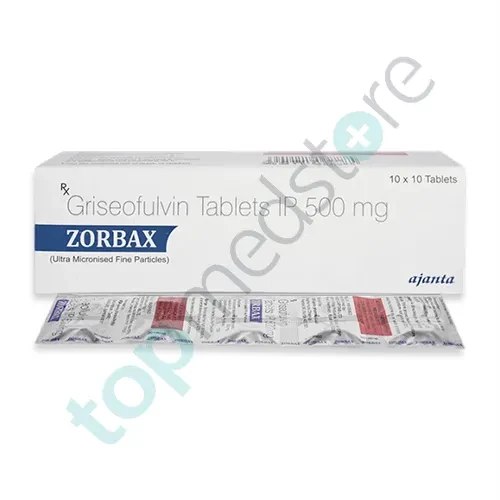
Griseofulvin 500mg
$100.00 – $328.00
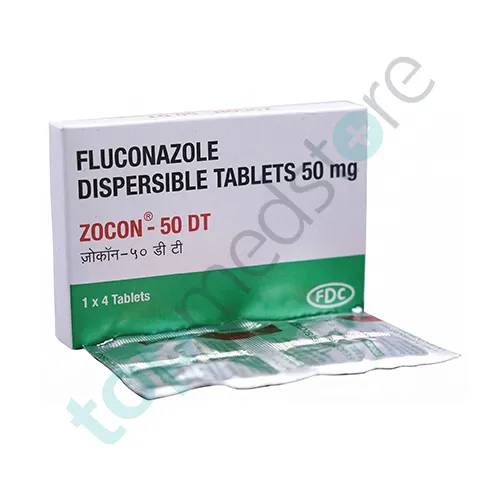
| Product name | Fluconazole 50mg |
|---|---|
| Active Ingredient | Fluconazole |
| Dosage | 50mg |
| Drug Type | Tablets |
| Indication | Fungal Infections |
| Manufacturer | FDC |
Total $113.20
Fluconazole 50mg is a prescription antifungal medicine used to treat infections caused by fungi and yeast in different parts of the body.
Fungal infections are caused by organisms like yeast and dermatophytes. These infections can affect the mouth, throat, skin, nails, and genital area. They may cause itching, redness, white patches, irritation, or discharge depending on the site of infection.
This medicine is commonly prescribed by general physicians, dermatologists, gynecologists, and infectious disease specialists. It is not effective against bacterial or viral infections, so it is only used for confirmed fungal infections.
It is often used in mild to moderate fungal infections and sometimes as part of longer treatment plans for recurring infections.
After taking Fluconazole 50mg, the medicine is absorbed into the bloodstream and spreads throughout the body tissues.
Fungi and yeast grow by producing substances called ergosterol, which is essential for their cell membrane. The cell membrane protects and supports the fungal cell.
Fluconazole works by blocking an enzyme needed to produce ergosterol.
When ergosterol production is blocked, the fungal cell membrane becomes weak and damaged.
Without a strong cell membrane, the fungus cannot survive or multiply properly.
Over time, the immune system helps clear the weakened infection from the body, leading to symptom relief and healing.
Doctors prescribe Fluconazole 50mg for different types of fungal and yeast infections.
Fluconazole is commonly used for oral thrush, a condition where white patches and soreness develop in the mouth due to yeast overgrowth.
It is also used for throat fungal infections, especially in patients with weakened immunity.
In women, it is frequently used for vaginal yeast infections, which may cause itching, burning, and white discharge.
It can also be used for skin fungal infections, such as ringworm and other dermatophyte infections, depending on severity.
In some cases, doctors may use it for preventing fungal infections in patients with weak immune systems.
Treatment duration depends on the type and severity of infection, and doctors may adjust the dose accordingly.
Fluconazole works by targeting the fungal cell membrane.
Fungal cells need a substance called ergosterol to maintain their structure and protect internal components.
Fluconazole blocks the enzyme that produces ergosterol. This enzyme is essential for building a strong fungal cell membrane.
When ergosterol levels decrease, the fungal cell membrane becomes weak and unstable.
This leads to leakage of important cell contents and eventually stops fungal growth.
As the fungus weakens, the body’s immune system gradually clears the infection, reducing symptoms like itching, irritation, and discharge.
Like all medicines, Fluconazole 50mg may cause side effects in some patients, although many people tolerate it well.
Common side effects include nausea, stomach pain, diarrhea, headache, and mild dizziness.
Fluconazole may sometimes cause changes in taste or mild loss of appetite during treatment.
Some patients may experience skin rash or mild itching as the body adjusts to the medicine.
Less common side effects include liver enzyme changes, fatigue, or muscle discomfort.
Rare but serious side effects include severe allergic reactions, liver problems (such as yellowing of skin or eyes), or persistent vomiting. These require immediate medical attention.
Doctors may monitor liver function in long-term or high-dose treatment to ensure safety.
This content is for educational purposes only. It does not replace medical advice, diagnosis, or treatment. Always consult a physician, dermatologist, or healthcare professional before using Fluconazole 50mg. Use this medicine only as prescribed and complete the full course for safe and effective treatment of fungal infections.
$100.00 – $328.00
$45.00 – $147.24
$82.49 – $269.96
$25.26 – $82.68