
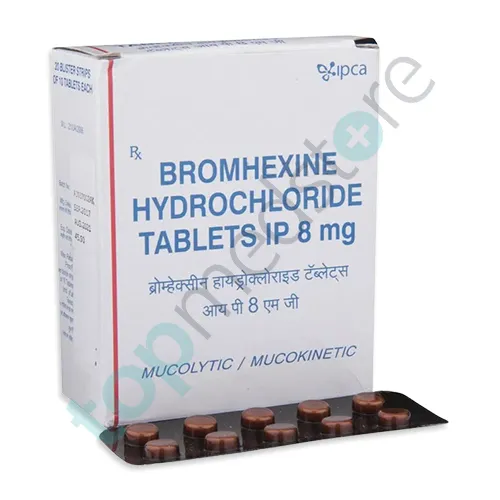
Bromhexine 8mg
$59.00 – $196.00
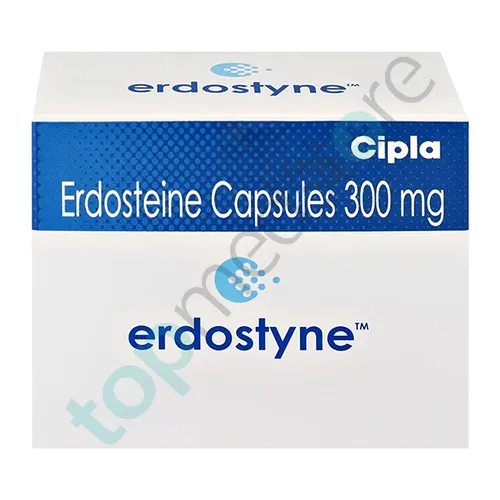
| Product name | Erdosteine 300mg |
|---|---|
| Active Ingredient | Erdosteine |
| Dosage | 300mg |
| Drug Type | Capsules |
| Indication | Chronic Bronchitis |
| Manufacturer | Cipla Limited |
Total $54.60
Erdosteine 300mg is a respiratory medicine used to reduce thick mucus in the airways. It belongs to a group of medicines called mucolytics. A mucolytic is a medicine that breaks down sticky mucus and makes it easier to cough out. Doctors often prescribe this medicine for people who have breathing problems linked with excess mucus production.
Erdosteine 300mg capsules are commonly used in patients with chronic bronchitis, chronic obstructive pulmonary disease (COPD), chest congestion, and other respiratory tract disorders. It helps clear the lungs and improves breathing comfort. This medicine may also help reduce irritation in the airways caused by mucus buildup.
Many pulmonologists, which are lung specialists, prescribe Erdosteine during respiratory infections or chronic lung diseases where mucus becomes thick and difficult to remove. The medicine is often used along with antibiotics, bronchodilators, or cough medicines depending on the patient’s condition.
Erdosteine 300mg is known for its mucus-thinning action. It may also support airway health by reducing oxidative stress. Oxidative stress means damage caused by harmful molecules in the body called free radicals. This effect may help protect the respiratory tract in some patients with long-term lung disease.
The medicine is available in capsule and tablet forms. Patients should use it only as prescribed by a healthcare professional. The dose and duration depend on the severity of symptoms and the patient’s medical history.
Erdosteine 300mg works mainly inside the respiratory tract. It changes the structure of thick mucus and reduces its stickiness. When mucus becomes thinner, the lungs can clear it more easily through coughing. This helps open the airways and improves airflow.
During chest infections or chronic lung disease, mucus can build up inside the bronchial tubes. Bronchial tubes are the air passages that carry air into the lungs. Thick mucus can block these passages and make breathing difficult. Erdosteine helps loosen this mucus so it can move out more naturally.
The medicine also supports better mucus clearance from the lungs. This process is called mucociliary clearance. It means the lungs can remove mucus, dust, and germs more effectively. Better mucus removal may reduce coughing fits and chest heaviness.
Erdosteine may also help reduce inflammation in the airways. Inflammation means swelling and irritation inside the respiratory tract. Reduced inflammation can help patients breathe more comfortably and may lower irritation caused by persistent mucus.
Some studies suggest that Erdosteine may improve the effect of antibiotics in respiratory infections by helping medicines reach infected mucus more easily. This is why doctors sometimes prescribe it together with antibacterial treatment during bronchitis or lung infections.
Erdosteine 300mg is mainly used for respiratory conditions linked with thick mucus production. It is commonly prescribed for chronic bronchitis. Chronic bronchitis is a long-term condition where the airways become inflamed and produce excess mucus.
The medicine is also used in chronic obstructive pulmonary disease (COPD). COPD is a lung disease that causes breathing difficulty, cough, wheezing, and mucus buildup. Erdosteine may help reduce mucus blockage and improve breathing comfort in these patients.
Doctors may prescribe Erdosteine for acute bronchitis as well. Acute bronchitis is a short-term chest infection that causes cough and mucus production. The medicine helps clear chest congestion and may reduce coughing caused by mucus accumulation.
Erdosteine is also used in some patients with respiratory tract infections, smoker’s cough, and airway inflammation. It may help reduce the feeling of chest tightness linked with mucus blockage.
Some pulmonologists use Erdosteine as supportive therapy in patients with recurrent respiratory infections. Recurrent means infections that happen again and again. By improving mucus clearance, the medicine may help keep the airways cleaner.
Patients with sinus-related mucus drainage or postnasal drip may sometimes receive mucus-thinning medicines like Erdosteine as part of supportive treatment. However, treatment decisions always depend on the patient’s symptoms and medical evaluation.
This medicine should not be used without medical advice. People with liver disease, kidney disease, stomach ulcers, or medicine allergies should inform their doctor before starting treatment.
Erdosteine 300mg works by breaking chemical bonds inside mucus. Thick mucus contains proteins connected by strong bonds that make it sticky. Erdosteine weakens these bonds and turns thick mucus into thinner fluid mucus.
Once the mucus becomes thinner, the lungs can remove it more easily through natural coughing. This reduces blockage in the airways and improves airflow to the lungs.
The medicine also increases mucus transport inside the respiratory tract. Tiny hair-like structures called cilia help move mucus upward from the lungs. Erdosteine supports this cleaning action and helps clear mucus more efficiently.
Another important action of Erdosteine is its antioxidant effect. Antioxidants help reduce damage caused by free radicals. Free radicals are unstable molecules that may increase inflammation and tissue damage during chronic lung disease or infection.
In some respiratory conditions, the medicine may reduce the number of flare-ups. A flare-up means sudden worsening of symptoms like cough, mucus, and breathing difficulty. This may help improve quality of life in some patients with chronic respiratory disease.
Erdosteine usually starts working after regular dosing as prescribed by the doctor. Patients should continue the medicine for the full recommended duration even if symptoms improve early.
Like all medicines, Erdosteine 300mg may cause side effects in some people. Most side effects are mild and temporary. Common side effects include nausea, stomach discomfort, diarrhea, headache, dizziness, and mild skin rash.
Some patients may notice vomiting, indigestion, or abdominal pain. Taking the medicine after food may help reduce stomach irritation in certain cases.
Allergic reactions are uncommon but possible. Symptoms may include itching, swelling, breathing difficulty, or severe rash. Immediate medical help is needed if serious allergy symptoms appear.
Rarely, some people may experience worsening stomach ulcers or severe gastrointestinal irritation. Patients with a history of peptic ulcer disease should use the medicine carefully under medical supervision.
If side effects continue or become severe, patients should contact a pulmonologist or healthcare provider for evaluation.
This content is for educational purposes only and does not replace medical advice, diagnosis, or treatment. Always consult a pulmonologist or qualified healthcare professional before starting or stopping Erdosteine 300mg. Use this medicine only under proper medical supervision.
$59.00 – $196.00
$54.60 – $178.40