Empagliflozin 25mg
$165.00 – $420.00
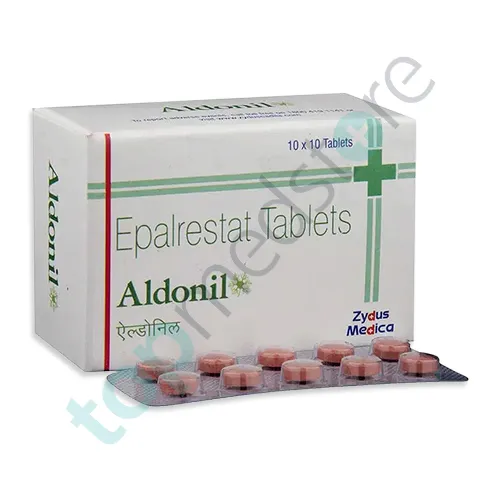
Epalrestat is a medicine used to treat diabetic nerve damage (diabetic neuropathy). It is prescribed by a diabetologist, endocrinologist, neurologist, or general physician to help reduce nerve pain and improve nerve function in people with long-term diabetes.
Diabetic neuropathy happens when high blood sugar damages nerves over time. This can cause burning pain, tingling, numbness, weakness, or loss of sensation, especially in the feet and legs. Epalrestat helps slow down this nerve damage and improves nerve health.
This medicine is usually taken as an oral tablet and is used as part of long-term diabetes care along with blood sugar control, diet, and exercise.
It does not cure diabetes, but it helps reduce complications related to nerve damage and improves quality of life.
Epalrestat works by protecting nerves from damage caused by high blood sugar.
When blood sugar stays high for a long time, it is converted into harmful substances in the body. One of these substances is called sorbitol. Sorbitol builds up inside nerves and causes damage.
Epalrestat blocks an enzyme called aldose reductase, which is responsible for converting glucose into sorbitol. By blocking this enzyme, the medicine reduces sorbitol buildup inside nerves.
This helps reduce nerve swelling, improves nerve function, and slows down further nerve damage.
As nerve health improves, symptoms like burning pain, tingling, and numbness may gradually reduce.
The medicine works slowly, and consistent use is needed for noticeable improvement. It works best when blood sugar is also well controlled.
Doctors may monitor nerve symptoms and overall diabetes control during treatment.
Epalrestat is mainly used for complications related to diabetes.
One main use of Epalrestat tablets is the treatment of diabetic peripheral neuropathy. This condition affects nerves in the hands and feet and causes pain, tingling, and numbness.
Doctors also prescribe Epalrestat for burning sensation in the feet (burning feet syndrome), which is common in long-term diabetes.
It is used to reduce loss of sensation, which can increase the risk of injuries because patients may not feel cuts or wounds.
Another use is to improve nerve conduction, which means improving how fast nerve signals travel in the body.
In some cases, it may be used as supportive therapy along with pain-relief medicines and vitamin supplements for nerve health.
It is not a painkiller but works by addressing the underlying nerve damage process.
Epalrestat works by reducing harmful sugar by-products in nerve cells.
In diabetes, excess glucose enters nerve cells and is converted into sorbitol through an enzyme called aldose reductase. Sorbitol builds up and causes nerve damage.
Epalrestat blocks this enzyme, preventing sorbitol formation. This reduces stress on nerves and helps protect them from further damage.
By lowering nerve damage, the medicine helps improve nerve function and reduces symptoms like burning, tingling, and numbness.
It also helps improve blood flow in small nerves, which supports better nerve health over time.
Because nerve repair takes time, Epalrestat is usually used for long-term management along with strict blood sugar control.
Doctors often advise regular monitoring of diabetes and nerve symptoms during treatment.
Like all medicines, Epalrestat may cause side effects in some people. Most are mild and temporary.
Common side effects include nausea, stomach discomfort, loss of appetite, headache, and dizziness.
Some patients may experience mild liver enzyme changes, which is why liver function monitoring may be recommended in long-term use.
Rare but serious side effects include liver problems, allergic reactions, or skin rash.
Patients should inform their doctor if they have liver disease or ongoing medical conditions before starting this medicine.
It is important to take the medicine regularly as prescribed for best results in nerve protection.
Patients should also continue controlling blood sugar levels, as poor control can reduce the effectiveness of treatment.
Seek medical advice if unusual symptoms like yellowing of the skin, severe fatigue, or persistent stomach pain occur.
This content is for educational purposes only and should not replace professional medical advice. Epalrestat should only be used under the supervision of a qualified healthcare professional such as a diabetologist, endocrinologist, neurologist, or general physician. Do not start, stop, or change the dose without medical guidance. Effectiveness and side effects may vary depending on blood sugar control, nerve condition, and overall health.
| Product name | Epalrestat |
|---|---|
| Category | Hormone & Thyroid Health |
| Shipping offer | Free shipping on orders of $110.00 or more |
$165.00 – $420.00
$77.00 – $252.00
$70.00 – $229.60
$60.20 – $197.12