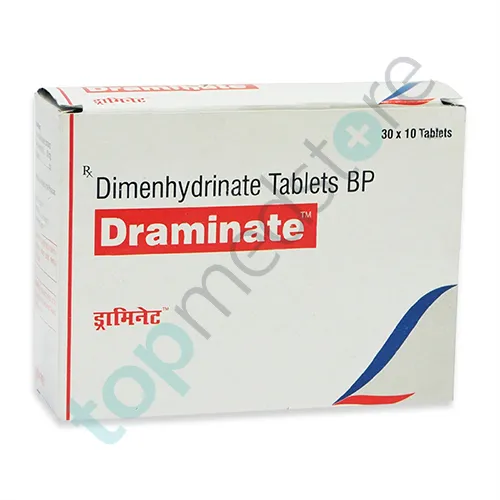
Dimenhydrinate 50mg
$16.32 – $53.76
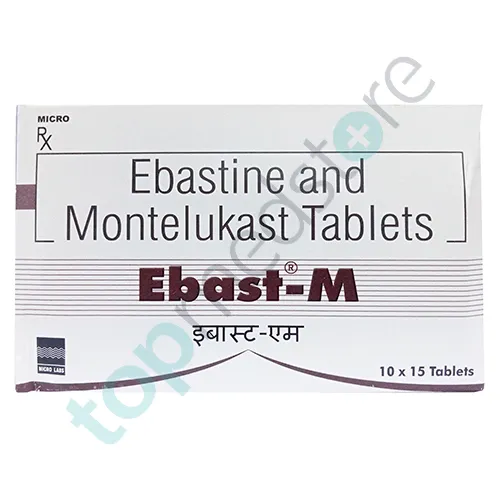
| Product name | Ebastine-Montelukast 10mg-10mg |
|---|---|
| Active Ingredient | Ebastine-Montelukast |
| Dosage | 10mg-10mg |
| Drug Type | Tablets |
| Indication | Allergic Rhinitis |
| Manufacturer | Micro Labs Ltd |
Total $52.20
Ebastine–Montelukast 10mg–10mg is a prescription anti-allergy combination medicine used for treating seasonal allergies, chronic allergic rhinitis, and allergy-related breathing discomfort. It is commonly prescribed when symptoms like sneezing, blocked nose, watery eyes, or breathing irritation continue for a long time or keep coming back.
This medicine contains two active components that work in different ways. Ebastine is an antihistamine, which means it blocks histamine — a chemical in the body that triggers allergy symptoms like itching, sneezing, and runny nose. Montelukast is a leukotriene receptor antagonist, which helps reduce swelling and inflammation in the airways, making breathing easier.
To understand simply, allergies happen when the immune system reacts too strongly to triggers like dust, pollen, smoke, pollution, or pet dander. This overreaction leads to discomfort in the nose, eyes, throat, and sometimes lungs.
With regular use as prescribed, Ebastine–Montelukast for allergy relief helps control both fast allergy symptoms and long-term airway inflammation, improving daily comfort and sleep quality.
Ebastine–Montelukast 10mg–10mg uses include treatment of a wide range of allergic and respiratory conditions.
Doctors commonly prescribe it for allergic rhinitis, a condition where the nose becomes sensitive to allergens like dust or pollen. This causes symptoms such as repeated sneezing, nasal blockage, and constant runny nose. This medicine helps control these symptoms and improves breathing comfort.
It is also used for chronic urticaria (skin allergy or hives). In this condition, the skin develops red, itchy, raised patches due to allergic reactions. Ebastine helps reduce itching, while Montelukast helps control underlying inflammation.
This medicine is also helpful in asthma-related allergic conditions, especially when allergies trigger breathing difficulty or chest tightness. Montelukast helps relax airway inflammation and supports easier airflow.
Patients searching for allergy relief tablets, sneezing control medicine, nasal congestion treatment, dust allergy tablets, and antihistamine + asthma control medicine are often prescribed this combination.
In some patients, it is used as a long-term allergy control therapy to reduce the frequency of recurring allergic episodes.
This medicine works through a dual-action allergy control mechanism, targeting different pathways in the body.
Ebastine blocks the action of histamine, which is a natural chemical released during allergic reactions. Histamine is responsible for symptoms like sneezing, itching, watery eyes, and nasal irritation. By blocking histamine, Ebastine helps provide quick relief from allergy symptoms.
Montelukast works in a different way. It blocks leukotrienes, which are inflammatory chemicals that cause airway swelling, mucus production, and breathing difficulty. By reducing these effects, it helps improve airflow and long-term respiratory comfort.
To explain simply, Ebastine handles the immediate allergy symptoms, while Montelukast controls the underlying inflammation that keeps allergies coming back.
Together, they provide balanced and longer-lasting relief from both nasal and respiratory allergy symptoms.
Like all medicines, Ebastine–Montelukast side effects may occur in some people, but they are usually mild and temporary.
Some patients may feel sleepiness or mild drowsiness, especially due to Ebastine. This is why it is often taken in the evening.
Other possible effects include headache, dry mouth, or mild stomach discomfort. These usually reduce as the body adjusts to the medicine.
In rare cases, sleep disturbances, mood changes, or unusual dreams may occur, mainly due to Montelukast sensitivity in some individuals.
Very rarely, allergic reactions like skin rash, swelling, or breathing discomfort may happen and require immediate medical attention.
Most patients tolerate this anti-allergy combination medicine well when taken under medical supervision.
Take Ebastine–Montelukast 10mg–10mg tablets exactly as prescribed by your doctor. It is commonly taken once daily, usually in the evening for better symptom control and reduced daytime drowsiness.
Avoid alcohol, as it can increase sleepiness and dizziness caused by the antihistamine effect.
Be careful while driving or operating machines if you feel drowsy after taking the medicine.
Inform your doctor if you have liver disease, asthma, long-term respiratory issues, or psychiatric history, as Montelukast may require monitoring in some cases.
Do not stop the medicine suddenly if it is prescribed for long-term allergy control without consulting your doctor.
Store the medicine in a cool, dry place away from heat, sunlight, and moisture. Keep it out of reach of children.
This content is for informational purposes only. It does not replace professional medical advice. Always consult a qualified physician before starting or stopping Ebastine–Montelukast 10mg–10mg or any anti-allergy treatment.
$16.32 – $53.76
$71.50 – $234.00
$47.25 – $154.80
$39.00 – $127.20