
Diphenoxylate-Atropine 2.5mg-0.025mg
$54.60 – $177.60
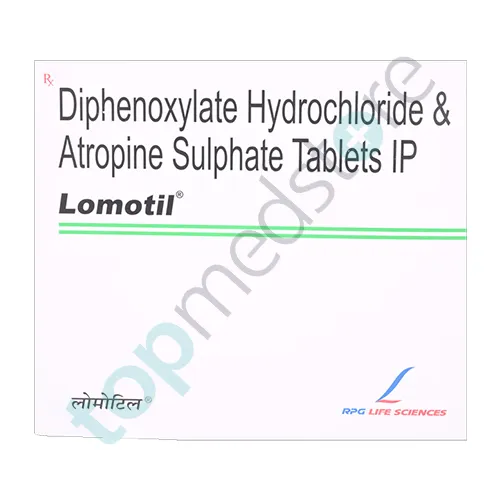
Diphenoxylate-Atropine is a medicine used to treat diarrhea, also called loose or watery stools. This medicine helps reduce frequent bowel movements and gives relief from stomach discomfort caused by diarrhea.
It contains two medicines. Diphenoxylate slows movement inside the intestines. The intestines are long tubes inside the stomach area that digest food and absorb water. Atropine is added in a small amount to help prevent misuse of the medicine.
Doctors may prescribe Diphenoxylate-Atropine tablets for short-term or long-term diarrhea depending on the patient's condition.
People often search for diarrhea medicine, loose motion tablets, anti-diarrheal medicine, watery stool treatment, or medicine for upset stomach and diarrhea when learning about Diphenoxylate-Atropine.
A gastroenterologist may prescribe this medicine. A gastroenterologist is a doctor who treats stomach and digestive system diseases.
This medicine helps many people feel better by slowing bowel activity and reducing repeated trips to the toilet.
Diphenoxylate-Atropine works by slowing down movement inside the intestines.
Normally, food moves through the digestive system at a balanced speed. During diarrhea, the intestines move too quickly. Because of this fast movement, the body cannot absorb enough water from food waste.
This causes loose and watery stools.
Diphenoxylate slows these movements and gives the body more time to absorb water. This helps stools become firmer and reduces bowel frequency.
The medicine also helps lower stomach cramps and bowel urgency. Bowel urgency means suddenly needing to use the toilet quickly.
The body also loses important minerals during diarrhea. These minerals are called electrolytes. Electrolytes help muscles, nerves, and the heart work properly.
Doctors often advise patients to drink enough fluids while taking this medicine to prevent dehydration. Dehydration means the body loses too much water.
Atropine is included in a very small amount to help prevent overuse of the medicine.
Doctors mainly prescribe Diphenoxylate-Atropine for treating diarrhea.
One common use is for acute diarrhea. Acute diarrhea means diarrhea that starts suddenly and lasts for a short time.
This medicine may also help patients with chronic diarrhea. Chronic diarrhea means diarrhea that continues for a long time.
Doctors sometimes prescribe Diphenoxylate-Atropine tablets for diarrhea linked with digestive system problems, bowel irritation, or certain infections.
Patients with watery stools, stomach cramps, frequent bowel movements, or sudden bowel urgency may receive this medicine after proper medical evaluation.
People often search online for best medicine for diarrhea, tablets for loose motion, anti-diarrheal tablets, stomach infection diarrhea medicine, or watery stool relief medicine when discussing Diphenoxylate-Atropine.
This medicine may help patients feel more comfortable during recovery from stomach illnesses.
However, some serious infections may need antibiotics or other treatments instead of anti-diarrheal medicines alone.
Diphenoxylate-Atropine works by slowing the fast movement of the intestines.
During diarrhea, the muscles inside the intestines tighten and move too quickly. These tightening movements are called contractions.
When contractions happen too fast, the body cannot absorb enough water from waste material.
Diphenoxylate slows these contractions. This gives the intestines more time to absorb water and nutrients from food.
As a result, stools become less watery and bowel movements happen less often.
The Atropine ingredient helps reduce the risk of misuse because taking too much medicine may cause uncomfortable side effects.
Patients should use this medicine exactly as prescribed by the doctor.
Doctors may also recommend simple foods, oral rehydration drinks, and enough rest during recovery from diarrhea.
Like all medicines, Diphenoxylate-Atropine may cause side effects in some people. Most side effects are mild when used correctly.
Common side effects include sleepiness, dizziness, dry mouth, nausea, stomach discomfort, or constipation. Constipation means difficulty passing stools.
Some people may feel tired or less alert after taking the medicine.
Because this medicine can cause drowsiness, patients should avoid driving or operating machines until they know how the medicine affects them.
Rarely, some patients may develop severe constipation, bloating, fast heartbeat, confusion, or trouble passing urine.
Children can be more sensitive to this medicine and may develop serious side effects more easily.
Patients should seek medical help if they develop breathing problems, severe stomach swelling, allergic reactions, or worsening diarrhea.
People with liver disease, severe dehydration, glaucoma, or certain bowel diseases should inform their doctor before using this medicine. Glaucoma is an eye disease that increases pressure inside the eye.
This content is for informational and educational purposes only. It does not replace professional medical advice, diagnosis, or treatment. Diphenoxylate-Atropine should only be used under medical supervision. Patients with severe diarrhea, bloody stools, high fever, or signs of dehydration should consult a gastroenterologist, a doctor who treats stomach and digestive system problems. Always follow the prescribed dosage instructions and avoid self-medication.
| Product name | Diphenoxylate-Atropine |
|---|---|
| Category | Diarrhea Relief |
| Shipping offer | Free shipping on orders of $110.00 or more |
$54.60 – $177.60