Etodolac 200mg
$38.00 – $124.00
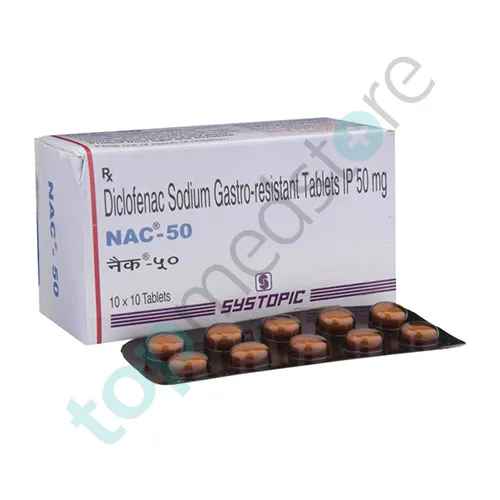
Diclofenac is a prescription medicine used to reduce pain, swelling, and inflammation in the body. A physician, orthopedic doctor, or rheumatologist usually prescribes this medicine depending on the condition.
Pain is an unpleasant feeling caused by injury, infection, or strain. Inflammation is the body’s response to injury, which leads to swelling, redness, heat, and discomfort.
Diclofenac is widely used for muscle pain, joint pain, back pain, and injury-related pain.
It belongs to a group of medicines called non-steroidal anti-inflammatory drugs (NSAIDs). These medicines reduce pain and swelling without using steroids.
It is available in tablets, capsules, gels, injections, and suppositories depending on the patient’s needs.
Diclofenac works by blocking the production of chemicals that cause pain and inflammation.
When the body is injured, it releases chemicals called prostaglandins.
Prostaglandins are responsible for pain, swelling, and fever.
Diclofenac blocks an enzyme called cyclooxygenase (COX).
This enzyme helps the body produce prostaglandins.
When COX is blocked, prostaglandin levels decrease.
This reduces swelling, pain, and stiffness in the affected area.
It also helps improve movement and comfort in inflamed tissues.
Doctors prescribe Diclofenac for many painful and inflammatory conditions.
It is commonly used for arthritis, including osteoarthritis and rheumatoid arthritis.
Osteoarthritis is a condition where joints wear down over time, causing pain and stiffness.
Rheumatoid arthritis is an autoimmune disease where the immune system attacks joints.
Diclofenac is also used for muscle pain, back pain, and neck pain.
It may help treat sprains, strains, and sports injuries.
Doctors may also prescribe it for dental pain and post-surgical pain.
In some cases, it is used for pain caused by kidney stones or menstrual cramps.
It helps improve movement and reduces discomfort in daily activities.
Diclofenac works by reducing pain-causing and inflammation-causing chemicals in the body.
It blocks COX enzymes that produce prostaglandins.
When prostaglandin levels decrease, inflammation reduces in tissues.
This leads to less swelling, less pain, and improved mobility.
Diclofenac also helps reduce fever by acting on the body’s temperature control system.
Because of its strong anti-inflammatory action, it is effective in both acute and chronic pain conditions.
Doctors may adjust dose based on severity of symptoms and patient health condition.
Like all medicines, Diclofenac may cause side effects, although not everyone experiences them.
Some patients may experience stomach pain, acidity, nausea, or indigestion.
Taking the medicine after food can help reduce stomach irritation.
Long-term use may increase the risk of stomach ulcers or bleeding. Ulcers are sores in the stomach lining.
Some patients may experience dizziness, headache, or mild drowsiness.
Fluid retention may occur, leading to swelling in the legs or feet.
Rarely, kidney or liver problems may develop with prolonged use.
Patients should be careful if they have heart disease, as long-term NSAID use may increase cardiovascular risk.
Seek medical help if there is severe stomach pain, black stools, vomiting blood, or allergic reactions.
Doctors may monitor kidney, liver, and heart health during long-term treatment.
This content is for informational purposes only. It does not replace professional medical advice, diagnosis, or treatment. Always consult a physician, orthopedic specialist, or rheumatologist before starting or changing Diclofenac treatment. Use this medicine only as prescribed and follow safe pain management practices.
| Product name | Diclofenac |
|---|---|
| Category | Pain Relief & Anti-Inflammatory Medicines |
| Shipping offer | Free shipping on orders of $110.00 or more |
$38.00 – $124.00
$49.50 – $162.00
$62.00 – $202.00
$44.00 – $144.00