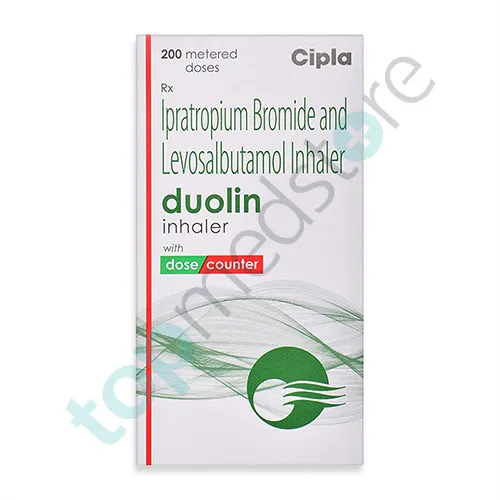
Ipratropium Bromide-LevaSalbutamol 200 Metered Doses
$101.01 – $257.16

| Product name | Diclofenac Diethylamine 200mg |
|---|---|
| Active Ingredient | Diclofenac Diethylamine |
| Dosage | 200mg |
| Drug Type | Patches |
| Indication | Pain and Inflammation |
| Manufacturer | Zydus Cadila |
Diclofenac Diethylamine 200mg Patch
In stock
Total $64.40
Diclofenac Diethylamine 200mg is a non-steroidal anti-inflammatory medicine (NSAID) used to relieve pain, swelling, and inflammation in muscles, joints, and soft tissues. It is commonly prescribed by a physician, orthopedic specialist, or pain management doctor for conditions involving acute or chronic musculoskeletal pain.
This medicine is widely used in pain relief treatment because it helps reduce inflammation, stiffness, and discomfort caused by injury, strain, or joint disorders.
In simple words, Diclofenac helps reduce pain and swelling so movement becomes easier and daily activities feel more comfortable.
Pain and swelling usually occur when the body releases natural chemicals called prostaglandins (chemical messengers that trigger pain, inflammation, and fever after injury or tissue damage).
When muscles, joints, or tissues are injured or affected by conditions like arthritis, the body produces excess prostaglandins. This leads to pain sensitivity, swelling, redness, and stiffness.
Diclofenac Diethylamine works by blocking the production of prostaglandins in the body. It does this by inhibiting cyclooxygenase (COX enzymes, which are responsible for producing inflammation-causing chemicals in the body).
When COX enzymes are blocked, prostaglandin levels decrease. This reduces inflammation, pain signals, and swelling in the affected area.
In simple words, this medicine reduces pain by stopping the chemicals that cause inflammation in the body.
Diclofenac is widely used in pain and inflammation management across many musculoskeletal conditions.
It is commonly prescribed for muscle pain, joint pain, back pain, and sprains or strains, which can occur due to injury, overuse, or physical stress.
It is also used in arthritis conditions such as osteoarthritis and rheumatoid arthritis, where joints become inflamed, stiff, and painful over time.
Doctors may recommend it for sports injuries, post-traumatic swelling, and soft tissue injuries, where inflammation delays healing and movement becomes restricted.
In clinical practice, a physician or orthopedic specialist uses this medicine as part of a pain management plan to reduce inflammation and improve mobility and function.
Diclofenac works by acting on the body’s inflammatory pathway.
It blocks the activity of COX-1 and COX-2 enzymes (cyclooxygenase enzymes that help produce prostaglandins, which are responsible for pain and inflammation).
When these enzymes are inhibited, prostaglandin production decreases. This reduces the body’s inflammatory response.
As inflammation goes down, swelling reduces, pain signals become weaker, and stiffness improves. This helps restore normal movement and comfort.
In simple words, this medicine works by reducing the body’s inflammation signals so pain and swelling gradually decrease.
Some people may experience stomach irritation, acidity, or mild nausea, especially when taken without food.
There may be headache or dizziness in some cases, particularly during early use.
With long-term use, the medicine may irritate the stomach lining and can lead to gastric ulcers (sores or damage in the stomach lining caused by excess acid or irritation).
Some individuals may notice fluid retention or mild swelling, especially during prolonged therapy.
Rarely, long-term use may affect kidney or liver function, which is why medical supervision is important for extended treatment.
Most side effects depend on dosage, duration of use, and individual sensitivity.
This medicine should be used only under the supervision of a physician or orthopedic specialist.
It is usually recommended to take it after food to reduce stomach irritation.
Avoid alcohol, as it can increase the risk of stomach and liver-related side effects.
Inform your doctor if you have a history of stomach ulcers, kidney disease, liver problems, or heart conditions before starting treatment.
It should not be used for long durations without proper medical supervision.
Following the prescribed dose carefully ensures safe and effective pain relief.
This content is for informational purposes only and does not replace medical advice, diagnosis, or treatment. Always consult your physician or orthopedic specialist before starting or changing any medicine.
$101.01 – $257.16
$47.69 – $156.08
$27.72 – $90.72
$40.26 – $131.76