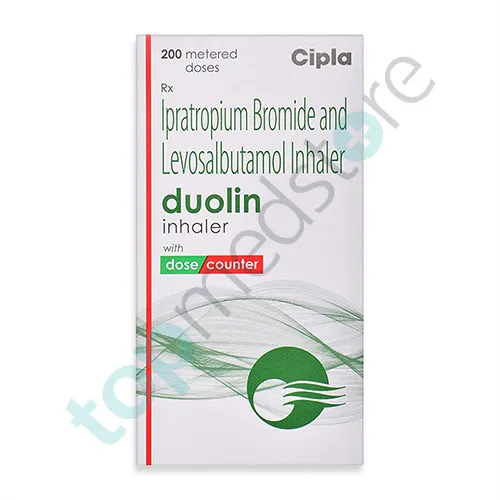
Ipratropium Bromide-LevaSalbutamol 200 Metered Doses
$101.01 – $257.16
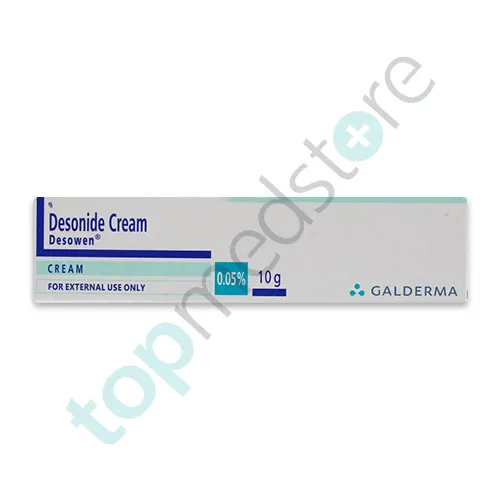
| Product name | Desonide 0.05% Cream 10g |
|---|---|
| Active Ingredient | Desonide |
| Dosage | 0.05% 10g |
| Drug Type | Tubes |
| Indication | Dermatitis |
| Manufacturer | Galderma |
Total $19.95
Desonide 0.05% Cream 10g is a prescription topical corticosteroid medicine used to treat mild to moderate skin inflammation, redness, and itching. It is commonly prescribed by a dermatologist for sensitive skin areas where a mild steroid is preferred.
This cream helps calm down skin irritation caused by allergies, eczema, or other inflammatory skin conditions.
In simple words, Desonide cream helps reduce itching, redness, and swelling on the skin in a gentle and controlled way.
The skin can become inflamed when the immune system reacts to triggers like allergens, irritants, or internal skin conditions. During this reaction, the body releases inflammatory chemicals such as prostaglandins and cytokines (natural substances that cause redness, swelling, and itching).
In conditions like eczema, dermatitis, or allergic skin reactions, this response becomes stronger than normal and leads to visible discomfort.
Desonide works by reducing the activity of these inflammatory chemicals in the skin. It slows down immune cell activity in the affected area, which helps decrease redness, swelling, and itching.
Because it is a low-potency corticosteroid, it is considered suitable for sensitive skin areas like the face or folds, under medical supervision.
In simple words, this medicine gently calms skin inflammation so irritation and itching reduce without being too harsh on sensitive skin.
Desonide cream is mainly used for mild to moderate inflammatory skin conditions.
It is commonly prescribed for eczema (atopic dermatitis), a condition where the skin becomes dry, itchy, and inflamed.
It is also used for contact dermatitis, which happens when the skin reacts to allergens or irritants like soaps, metals, or chemicals.
Doctors may recommend it for skin allergies that cause redness, itching, or small rashes.
In some cases, it is used for inflammatory skin conditions on sensitive areas such as the face, neck, or skin folds, where stronger steroids may not be suitable.
In clinical practice, dermatologists use this medicine when a mild and safe anti-inflammatory effect is needed for delicate skin areas.
Desonide belongs to the corticosteroid class of medicines.
It works by reducing inflammation in the skin. It decreases the production of inflammatory chemicals and limits the activity of immune cells that cause skin irritation.
This helps reduce redness, swelling, and itching gradually.
Because it is a low-strength steroid, it is designed to act gently while still providing effective relief in sensitive skin conditions.
In simple words, this medicine reduces skin inflammation by calming the immune response in the affected area.
Some people may experience mild burning, stinging, or irritation when the cream is first applied.
There may be temporary dryness or slight redness at the application site.
With prolonged or excessive use, the skin may become thin (skin thinning means the skin becomes more delicate and sensitive than normal).
In rare cases, small visible blood vessels may appear on the skin, especially with long-term use.
If used incorrectly or for long periods, there may be a risk of increased absorption into the body, which can affect normal hormone balance.
Most side effects are mild and usually reversible when the medicine is used properly.
This medicine should be used only under the guidance of a dermatologist.
Apply a thin layer only on affected areas and avoid overuse.
Do not apply on open wounds, infections, or broken skin unless advised by a doctor.
Avoid prolonged use, especially on large areas of skin, unless prescribed.
Wash hands after applying unless treating the hands.
Extra care is needed when using on the face or sensitive skin areas.
Following correct usage ensures safe and effective results.
This content is for informational purposes only and does not replace medical advice, diagnosis, or treatment. Always consult your dermatologist before starting or changing any medicine.
$101.01 – $257.16
$47.69 – $156.08
$27.72 – $90.72
$40.26 – $131.76