
Dapsone 100mg
$140.00 – $440.00

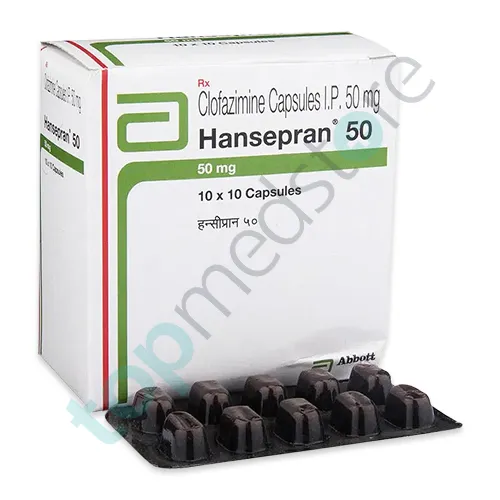
| Product name | Clofazimine 100mg |
|---|---|
| Active Ingredient | Clofazimine |
| Dosage | 100mg |
| Drug Type | Capsules |
| Indication | Leprosy |
| Manufacturer | Abbott |
Total $17.00
Clofazimine 100mg is a prescription medicine used to treat leprosy and certain bacterial infections. Doctors mainly use this medicine as part of combination therapy for long-term infection control.
Leprosy is a chronic bacterial disease that affects the skin, nerves, eyes, and respiratory tract. Chronic means the condition develops slowly and may last for a long time.
Doctors prescribe Clofazimine 100mg capsules together with other medicines because combination treatment helps control infection more effectively.
The medicine belongs to a group of drugs called antimycobacterial medicines. These medicines fight special types of bacteria that grow slowly inside the body.
Infectious disease specialists and dermatologists commonly prescribe Clofazimine capsules for leprosy treatment.
A dermatologist is a doctor who treats skin-related diseases.
Patients with leprosy may develop skin patches, numbness, nerve damage, or muscle weakness if the infection is not treated properly.
Doctors may also use Clofazimine 100mg for some difficult bacterial infections under specialist supervision.
The medicine works slowly and patients may need treatment for several months or longer depending on the condition.
Clofazimine 100mg helps kill harmful bacteria and reduce inflammation inside the body.
Inflammation means swelling and irritation caused by infection or immune system activity.
The medicine enters bacterial cells and interferes with their growth and survival.
As bacteria weaken, the infection slowly improves and symptoms may decrease.
Clofazimine capsules may also help reduce skin inflammation and nerve-related complications linked with leprosy reactions.
Leprosy reactions happen when the immune system responds strongly during treatment and causes pain, redness, or swelling.
Doctors use the medicine together with other antibiotics because this combination helps prevent bacterial resistance.
Bacterial resistance happens when bacteria stop responding properly to medicines.
Patients may notice gradual improvement in skin lesions, swelling, or nerve symptoms during treatment.
Doctors mainly prescribe Clofazimine 100mg for the treatment of leprosy.
Healthcare providers use the medicine as part of multidrug therapy (MDT). MDT means doctors combine several medicines to treat infection more effectively.
Doctors also use Clofazimine capsules to manage leprosy reactions that cause painful skin inflammation and nerve irritation.
Some specialists may prescribe Clofazimine 100mg capsules for certain rare bacterial infections caused by mycobacteria.
Mycobacteria are slow-growing bacteria that can cause long-term infections.
Patients with untreated leprosy may develop numbness, skin discoloration, nerve injury, or muscle weakness over time.
Early treatment may help lower the risk of permanent nerve damage and disability.
Doctors often monitor patients regularly during treatment because leprosy therapy may continue for many months.
Clofazimine 100mg works by slowing bacterial growth and damaging bacterial cells.
The medicine builds up inside bacteria and interferes with important cell processes.
As bacteria weaken and die, the infection slowly improves.
Clofazimine capsules also help reduce inflammation linked with immune system reactions during leprosy treatment.
Doctors usually prescribe the medicine together with other antibiotics to improve treatment success.
Patients should take Clofazimine 100mg capsules exactly as prescribed and continue treatment for the full recommended duration.
Stopping treatment too early may allow the infection to return or worsen.
Doctors may recommend taking the medicine with food to improve absorption and reduce stomach discomfort.
Regular medical follow-up helps doctors monitor treatment progress and side effects.
Like all medicines, Clofazimine 100mg may cause side effects in some patients. Many side effects remain mild and improve over time.
Common side effects include skin discoloration, dry skin, stomach pain, nausea, diarrhea, and itching.
Some patients may notice reddish-brown or dark skin color changes during treatment. This effect can happen because the medicine builds up in body tissues.
The medicine may also cause dryness or discoloration of sweat, tears, or body fluids in some patients.
Rare but serious side effects may happen in some cases. These include severe stomach pain, intestinal blockage, depression, or allergic reactions.
Patients should inform their doctor if they develop severe abdominal pain, vomiting, or major mood changes.
Doctors may monitor patients carefully during long-term treatment with Clofazimine capsules.
This content is for educational purposes only. It does not replace medical advice or treatment. Always consult an infectious disease specialist, dermatologist, or healthcare professional before starting or stopping Clofazimine 100mg. Use this medicine only under medical supervision.
$140.00 – $440.00
$13.00 – $40.00
$115.83 – $379.08
$115.83 – $440.00