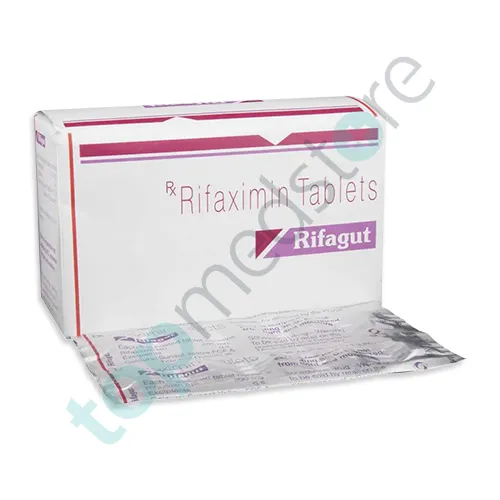
Rifaximin 200mg
$207.00 – $680.00
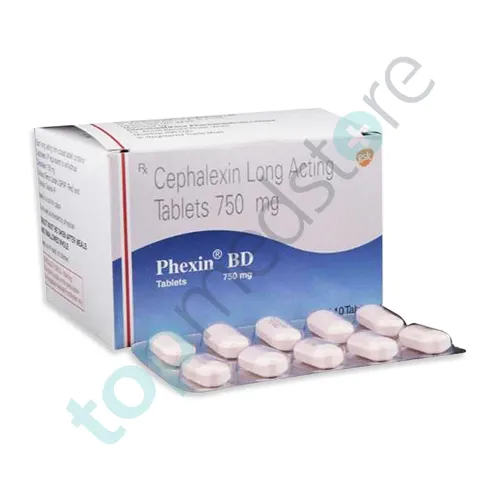
| Product name | Cephalexin 750mg |
|---|---|
| Active Ingredient | Cephalexin |
| Dosage | 750mg |
| Drug Type | Tablets |
| Indication | Bacterial Infections |
| Manufacturer | Glaxo Smithkline |
Total $75.00
Cephalexin 750mg is a prescription antibiotic medicine used to treat moderate to severe bacterial infections in different parts of the body.
Bacterial infections occur when harmful bacteria enter the body and multiply in tissues. These infections can affect the skin, throat, lungs, urinary tract, ears, bones, and soft tissues. Symptoms may include fever, swelling, redness, pain, pus formation, or general weakness.
This medicine is commonly prescribed by general physicians, dermatologists, ENT specialists, dentists, and infectious disease specialists. It is not effective against viral infections such as cold, flu, or viral fever.
Because it is a higher-strength dose, it is usually used when infection is more intense or when lower doses are not sufficient.
After taking Cephalexin 750mg, the medicine is absorbed into the bloodstream and spreads throughout the body. It reaches the infected area and starts acting on the bacteria causing the illness.
Bacteria survive by forming a strong outer covering called the cell wall. This wall protects them from damage and helps them grow and multiply inside the body.
Cephalexin works by blocking the formation of this bacterial cell wall.
It interferes with enzymes known as penicillin-binding proteins (PBPs), which bacteria use to build and repair their cell wall.
When the cell wall is not formed properly, bacteria lose their structure and become weak. Eventually, they cannot survive in the body environment and die.
Once the bacteria are destroyed, the immune system helps remove the remaining infection, which leads to a gradual reduction in symptoms like fever, pain, swelling, and discharge.
Doctors prescribe Cephalexin 750mg for a wide range of bacterial infections that require stronger antibiotic action.
Cephalexin is commonly used for skin and soft tissue infections, including infected wounds, boils, cellulitis, and abscesses where redness, swelling, and pus formation are present.
It is also used for respiratory tract infections, such as bacterial throat infections, tonsillitis, and mild to moderate pneumonia, where breathing discomfort, fever, and chest congestion may occur.
Dentists often prescribe it for dental infections, gum swelling, and tooth abscesses, especially when there is bacterial buildup causing pain and inflammation.
It is also used for urinary tract infections (UTIs), which may cause burning urination, frequent urination, and lower abdominal discomfort.
In some cases, it is prescribed for bone infections (osteomyelitis) or complicated ear infections, depending on the severity and bacterial sensitivity.
Doctors decide the dose and duration based on infection type, severity, and patient response to ensure complete bacterial clearance.
Cephalexin works by directly targeting the structure that keeps bacteria alive.
Bacteria have a rigid outer layer called the cell wall, which maintains their shape and protects them from external damage. Without this wall, bacteria cannot survive in the human body.
Cephalexin blocks the enzymes that bacteria use to build and repair this cell wall. These enzymes are essential for bacterial growth and multiplication.
When the cell wall becomes weak or incomplete, bacteria lose their stability. Their internal structure gets damaged, and they eventually burst and die.
This process stops the infection from spreading further and allows the body’s immune system to clear the remaining bacteria more effectively.
Because it specifically targets bacteria, it does not affect viruses, so it should not be used for viral infections like flu or common cold.
Like all antibiotic medicines, Cephalexin 750mg may cause side effects in some patients, although many people tolerate it well when used correctly.
Common side effects include nausea, vomiting, diarrhea, stomach pain, and indigestion. These occur because the medicine can temporarily affect the natural balance of bacteria in the digestive system.
Cephalexin may also cause mild headache, dizziness, or tiredness in some patients during treatment.
Less common side effects include skin rash, itching, or mild allergic reactions. Some people may also develop yeast infections due to changes in normal bacterial balance in the body.
Rare but serious side effects include severe allergic reactions such as swelling of the face, lips, or throat, difficulty breathing, or severe skin reactions. These require immediate medical attention.
Doctors usually recommend completing the full course of treatment even if symptoms improve early, to fully eliminate bacteria and prevent antibiotic resistance.
This content is for educational purposes only. It does not replace medical advice, diagnosis, or treatment. Always consult a physician, dermatologist, dentist, or healthcare professional before using Cephalexin 750mg. Use this medicine only as prescribed and complete the full antibiotic course for safe and effective treatment of bacterial infections.
$207.00 – $680.00
$83.10 – $211.20
$142.00 – $464.00
$58.50 – $147.60