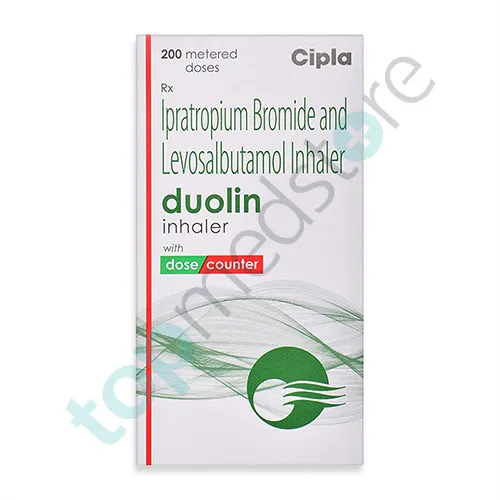
Ipratropium Bromide-LevaSalbutamol 200 Metered Doses
$101.01 – $257.16
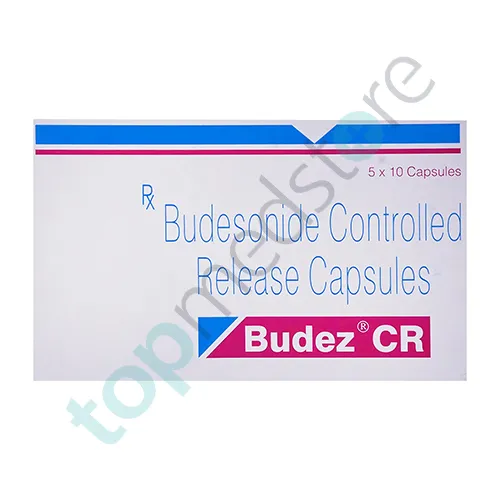
Budesonide is a medicine used to reduce inflammation, which means swelling and irritation inside the body. Doctors such as a pulmonologist, gastroenterologist, allergist, or ENT specialist may prescribe Budesonide for different inflammatory conditions affecting the lungs, intestines, or nose. This medicine belongs to a group of drugs called corticosteroids. Corticosteroids are medicines that help calm an overactive immune response and reduce redness, swelling, mucus production, and irritation.
Budesonide is commonly used to manage breathing problems such as asthma and allergic conditions. It is also prescribed for certain bowel diseases like Crohn’s disease and ulcerative colitis. In some cases, Budesonide is available as an inhaler, nasal spray, capsule, tablet, or nebulizer solution depending on the medical condition being treated.
Asthma is a long-term condition where the airways become swollen and narrow. This can cause coughing, wheezing, chest tightness, and difficulty breathing. Budesonide helps control this inflammation and improves airflow. It does not cure asthma, but it helps prevent flare-ups and improves breathing control when used regularly.
Doctors may also prescribe Budesonide nasal spray for allergies and sinus irritation. It can reduce sneezing, blocked nose, runny nose, and nasal swelling caused by allergic reactions.
Budesonide works by reducing the activity of the immune system in certain parts of the body. The immune system normally protects the body from infections and harmful substances. However, in some conditions, the immune system becomes overactive and causes inflammation. Inflammation can damage tissues and create symptoms like pain, swelling, breathing difficulty, mucus buildup, or stomach irritation.
This medicine blocks the release of inflammatory chemicals inside the body. These chemicals are responsible for swelling, redness, and irritation. By reducing these chemicals, Budesonide helps the affected organs function more normally.
When used as an inhaler, Budesonide directly reaches the lungs and reduces swelling in the airways. This helps people breathe more easily and lowers the risk of asthma attacks. An asthma attack is a sudden worsening of breathing symptoms caused by airway tightening and inflammation.
When used for bowel diseases, Budesonide works inside the digestive tract to reduce inflammation in the intestines. The intestines are the long tubes that help digest food and absorb nutrients. Inflammatory bowel diseases can cause stomach pain, diarrhea, bleeding, and weight loss. Budesonide helps control these symptoms and improves quality of life.
The nasal spray form of Budesonide works inside the nose to reduce allergy symptoms. It decreases swelling and mucus production in the nasal passages, making breathing through the nose easier.
Budesonide is used for several inflammatory conditions affecting different body systems. Doctors choose the form of medicine depending on the patient’s symptoms and diagnosis.
One of the main uses of Budesonide inhaler is the treatment and prevention of asthma. Asthma causes inflammation and narrowing of the airways. Budesonide helps reduce swelling and prevents breathing problems from becoming severe. Regular use can lower the frequency of asthma attacks.
Doctors may also prescribe Budesonide for chronic obstructive pulmonary disease (COPD) in some patients. COPD is a long-term lung disease that makes breathing difficult. Symptoms include coughing, mucus production, and shortness of breath.
Budesonide nasal spray is widely used for allergic rhinitis. Allergic rhinitis is an allergy condition that causes sneezing, runny nose, itching, and nasal blockage. It may happen because of dust, pollen, smoke, or pet allergies.
Another important use of Budesonide capsules is the treatment of Crohn’s disease and mild to moderate ulcerative colitis. These are inflammatory bowel diseases that cause long-term swelling inside the digestive tract. Symptoms may include stomach cramps, diarrhea, tiredness, and blood in stool.
Some doctors also use Budesonide nebulizer suspension in children with breathing conditions like wheezing or croup. A nebulizer changes liquid medicine into a fine mist that can be inhaled into the lungs more easily.
Budesonide works by controlling inflammation at the source. It enters the affected tissues and blocks inflammatory substances released by immune cells. These substances normally cause swelling, mucus buildup, redness, and irritation.
In asthma treatment, Budesonide relaxes and protects the airways by reducing chronic inflammation. Chronic means long-lasting. When inflammation decreases, the airways become less sensitive to triggers such as smoke, cold air, exercise, or allergens.
Unlike rescue inhalers that work immediately during sudden breathing attacks, Budesonide inhalers are maintenance medicines. Maintenance medicine means a treatment used regularly to keep symptoms under control over time. Patients often need to use it daily for the best results.
In bowel diseases, Budesonide works inside the intestines to reduce immune activity and inflammation. This helps the digestive system heal and lowers symptoms like abdominal pain and diarrhea.
The nasal spray form acts locally inside the nose. Local action means the medicine mainly works in one area instead of affecting the entire body. This helps reduce side effects while improving allergy symptoms.
Doctors usually recommend using Budesonide regularly and not stopping it suddenly without medical advice. Sudden discontinuation may worsen symptoms in some patients.
Like all medicines, Budesonide can cause side effects. Many side effects are mild and improve with proper use. However, some people may need medical attention if symptoms become serious.
Common side effects of Budesonide inhaler include sore throat, dry mouth, coughing, hoarseness, and oral thrush. Oral thrush is a fungal infection inside the mouth that causes white patches and discomfort. Rinsing the mouth after inhaler use may help lower this risk.
Some people using Budesonide nasal spray may experience nose irritation, dryness, sneezing, or mild nosebleeds.
Patients taking Budesonide capsules for bowel disease may develop headache, nausea, stomach pain, bloating, or tiredness. Long-term use of corticosteroids may also increase the risk of weakened bones, high blood sugar, or reduced immunity.
Rare but serious side effects may include severe allergic reactions, breathing difficulty, vision changes, or signs of infection such as fever and persistent sore throat.
Children using corticosteroid medicines for long periods may need growth monitoring by a doctor. Patients with liver disease, infections, glaucoma, or diabetes should inform their healthcare provider before starting Budesonide treatment.
This content is for educational and informational purposes only. Budesonide should only be used under the supervision of a qualified healthcare professional such as a pulmonologist, gastroenterologist, allergist, or ENT specialist. Do not start, stop, or change the dosage without medical advice. Treatment results and side effects may vary depending on the patient’s age, medical history, and overall health condition.
| Product name | Budesonide |
|---|---|
| Category | Asthma & COPD Medicines |
| Shipping offer | Free shipping on orders of $110.00 or more |
$101.01 – $257.16
$47.69 – $156.08
$27.72 – $90.72
$40.26 – $131.76