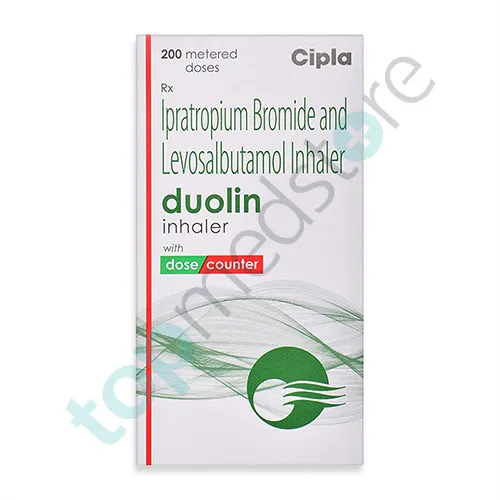
Ipratropium Bromide-LevaSalbutamol 200 Metered Doses
$101.01 – $257.16

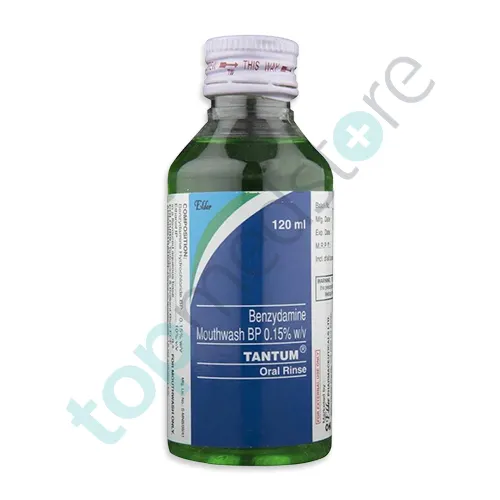
Benzydamine is a prescription medicine used to relieve pain, swelling, and irritation in the mouth and throat. A dentist, ENT specialist (ear, nose, throat doctor), or physician may prescribe it depending on the condition.
It is commonly used for conditions like sore throat, mouth ulcers, gum inflammation, and pain after dental procedures. These problems can make eating, swallowing, and speaking uncomfortable.
Benzydamine belongs to a group of medicines called non-steroidal anti-inflammatory drugs (NSAIDs), but it works differently from common painkillers. It mainly acts on local tissues in the mouth and throat to reduce inflammation and discomfort.
It is usually available as a mouthwash, spray, or lozenge, depending on how it needs to be used.
Benzydamine works directly on inflamed tissues in the mouth and throat.
When the mouth or throat is irritated, the body releases chemicals that cause pain, swelling, and redness. Benzydamine reduces the production and activity of these inflammatory chemicals.
It also has a local anesthetic effect, which means it slightly numbs the affected area. This helps reduce pain and makes swallowing and speaking easier.
Unlike many strong painkillers that act throughout the whole body, Benzydamine mainly works at the site where it is applied. This makes it useful for targeted relief in oral and throat conditions.
An ENT specialist or dentist may recommend it after dental surgery or in infections where swelling and discomfort are present.
The medicine provides quick symptom relief, but it does not treat the underlying cause of infection if bacteria or viruses are involved.
The main use of Benzydamine is the treatment of mouth and throat inflammation.
It is commonly used for sore throat, where the throat becomes painful due to infection or irritation. It helps reduce pain and swelling, making swallowing easier.
It is also used for mouth ulcers, which are small painful sores inside the mouth. These ulcers can make eating and talking uncomfortable.
Dentists may prescribe it after dental surgery or procedures to reduce swelling and pain during healing.
It is also used for gingivitis, a condition where the gums become red, swollen, and painful due to infection or poor oral hygiene.
In some cases, an ENT specialist may use it for throat infections or irritation caused by coughing, allergies, or strain.
Benzydamine is not an antibiotic or antiviral medicine. It does not kill germs but helps control pain and inflammation.
Benzydamine works by reducing inflammation and calming irritated tissues in the mouth and throat.
When tissues are injured or infected, the body releases chemicals that cause swelling, redness, and pain. Benzydamine blocks these inflammatory chemicals and reduces their effect.
It also stabilizes nerve endings in the affected area. This reduces pain signals sent to the brain, giving a mild numbing effect.
Because of this dual action, patients feel relief from pain while swelling gradually reduces.
When used as a mouthwash or spray, it acts directly on the affected area, giving fast local relief without strongly affecting the rest of the body.
A dentist or ENT specialist may recommend repeated use during the day to maintain comfort and reduce inflammation throughout treatment.
Like all medicines, Benzydamine may cause side effects, although most are mild.
Common side effects include a burning sensation, numbness, or tingling in the mouth after use. These effects are usually temporary.
Some patients may experience dry mouth or an unusual taste sensation.
In rare cases, allergic reactions may occur, causing swelling, rash, or difficulty breathing. Immediate medical help is needed if these symptoms appear.
If swallowed in large amounts, it may cause stomach discomfort or nausea.
Long-term or excessive use is not usually recommended unless advised by a dentist or ENT specialist, as it is meant for short-term symptom relief.
This content is for educational purposes only and does not replace professional medical advice, diagnosis, or treatment. Benzydamine should only be used under the supervision of a qualified dentist, ENT specialist, or healthcare professional. Always follow your doctor’s instructions for safe and effective relief of mouth and throat inflammation.
| Product name | Benzydamine |
|---|---|
| Category | Local & Topical Anesthetics |
| Shipping offer | Free shipping on orders of $110.00 or more |
$101.01 – $257.16
$47.69 – $156.08
$27.72 – $90.72
$40.26 – $131.76