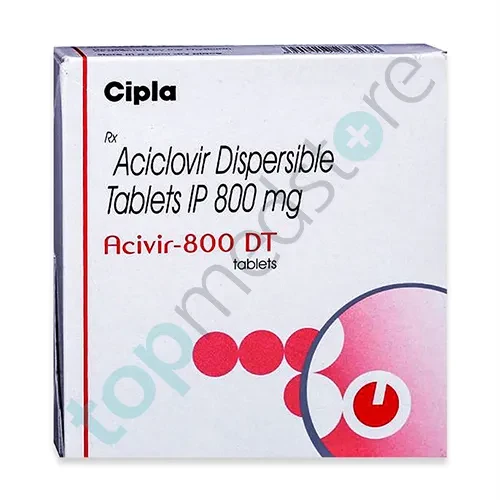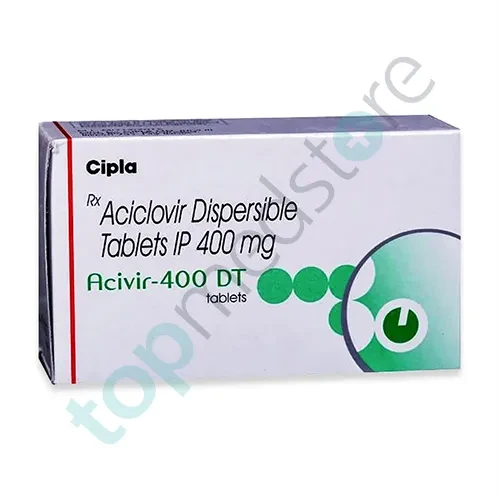
Acyclovir 800mg Tablet
$82.00 – $208.00
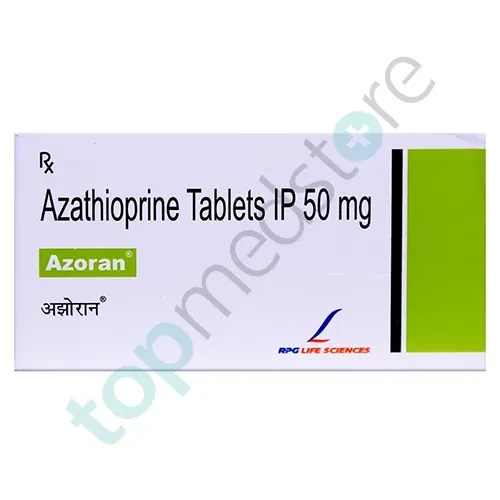
Azathioprine is a prescription medicine used to lower immune system activity. It is commonly prescribed by a rheumatologist, nephrologist, or transplant specialist depending on the disease condition.
This medicine is an immunosuppressant. Immunosuppressant means a drug that reduces the strength of the immune system.
The immune system is the body’s natural defense system. It protects the body from infections. But in some diseases, the immune system becomes overactive and starts attacking the body itself.
Azathioprine tablets help calm this overactive immune response. This reduces inflammation and prevents damage to organs and tissues.
Azathioprine works by slowing down the growth of immune cells.
The body makes immune cells to fight infections. These cells multiply quickly when the immune system is active.
Azathioprine medicine blocks the production of DNA in these cells. DNA is the genetic material that helps cells grow and multiply.
When DNA production slows down, immune cells grow more slowly. This reduces immune system activity.
Because of this effect, the immune system becomes less aggressive. It stops attacking healthy tissues in the body.
This helps reduce inflammation, swelling, and long-term tissue damage.
However, because the immune system becomes weaker, the body may also become more prone to infections.
Doctors prescribe Azathioprine for diseases where the immune system is overactive or harmful.
It is commonly used in autoimmune diseases, where the body attacks its own tissues.
Common uses of Azathioprine medicine include:
Rheumatoid arthritis is a condition where joints become swollen, painful, and stiff due to immune system attack.
Inflammatory bowel disease means long-term inflammation of the intestines, causing pain and diarrhea.
In organ transplant patients, the immune system may try to attack the new organ. Azathioprine tablets help prevent this rejection.
A rheumatologist or transplant specialist adjusts the dose based on disease severity and response to treatment.
Azathioprine works by reducing the number and activity of immune cells in the body.
It blocks the formation of DNA in fast-growing cells. Immune cells are fast-growing cells because they multiply quickly during immune responses.
When DNA formation is blocked, immune cells cannot multiply at a normal speed. This slows down the immune response.
As a result, the immune system becomes less active and causes less inflammation.
Inflammation means redness, swelling, pain, and tissue irritation caused by immune activity.
By reducing inflammation, Azathioprine medicine helps protect joints, intestines, and transplanted organs from damage.
This medicine works slowly. It may take several weeks before full benefits are seen.
Like all medicines, Azathioprine may cause side effects, especially because it weakens the immune system.
Common side effects include nausea, vomiting, loss of appetite, and mild fatigue. Fatigue means feeling tired or low in energy.
One important risk is lower immunity, which can increase the chance of infections. This means the body may take longer to fight germs.
Some patients may also experience liver problems or low blood cell counts. Blood cells include red cells, white cells, and platelets, which are important for oxygen transport, immunity, and clotting.
Rare but serious side effects include severe infections or allergic reactions.
Doctors may recommend regular blood tests to monitor liver function and blood cell levels during treatment.
Patients should avoid contact with sick people and report fever or unusual symptoms quickly.
This content is for educational purposes only. It is not a substitute for professional medical advice, diagnosis, or treatment. Always consult a rheumatologist, nephrologist, or transplant specialist before using Azathioprine tablets or making changes to your immune system treatment plan.
| Product name | Azathioprine |
|---|---|
| Category | Transplant & Immune-Suppressing Medicines |
| Shipping offer | Free shipping on orders of $110.00 or more |
$82.00 – $208.00
$113.40 – $371.16
$100.00 – $328.00
$50.00 – $164.00