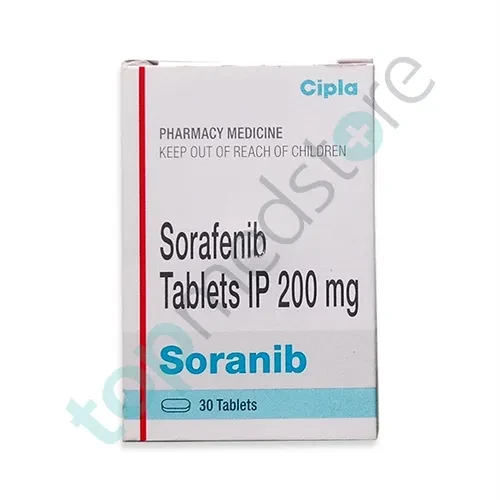
Sorafenib 200mg
$527.70 – $1726.80
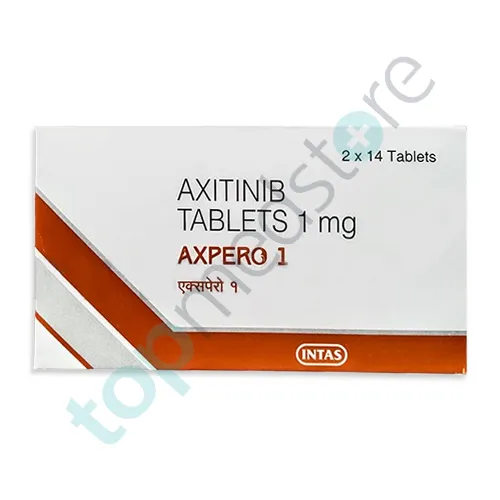
| Product name | Axitinib 1mg |
|---|---|
| Active Ingredient | Axitinib |
| Dosage | 1mg |
| Drug Type | Tablets |
| Indication | Renal Cell Carcinoma |
| Manufacturer | Intas Pharma |
Total $406.00
Cancer treatment often focuses on stopping how tumors grow and spread inside the body. In certain types of cancer, especially kidney cancer, doctors may prescribe Axitinib 1mg as part of targeted therapy.
This medicine belongs to a group called targeted cancer therapy (treatment that acts on specific signals that help cancer cells grow, instead of affecting the whole body like traditional chemotherapy). Axitinib is mainly used in renal cell carcinoma (a type of kidney cancer) when the disease needs controlled and focused treatment.
Instead of directly killing cancer cells, Axitinib works by cutting off the tumor’s blood supply. Tumors need nutrients and oxygen to grow, and they get this through blood vessels. By blocking this supply, the medicine helps slow down or stop tumor growth.
Because cancer treatment requires careful planning, an oncologist (cancer specialist) closely monitors how this medicine is used.
Doctors prescribe Axitinib 1mg Tablets mainly for treating advanced renal cell carcinoma (kidney cancer that has spread or is difficult to treat).
It is often used:
When cancer has progressed after other treatments
As part of a long-term cancer management plan
To slow tumor growth and improve outcomes
This medicine is part of targeted cancer treatment, which focuses on specific pathways that cancer cells use to survive and grow.
By controlling how tumors develop, Axitinib helps improve disease management and progression control, giving patients better chances of stabilizing their condition.
Cancer cells grow by forming new blood vessels, a process called angiogenesis (the formation of new blood vessels that supply oxygen and nutrients).
Axitinib blocks proteins called VEGF receptors (signals that tell the body to create new blood vessels). When these signals are blocked, the tumor cannot form new blood vessels easily.
As a result:
Blood supply to the tumor reduces
Tumor growth slows down
Cancer progression becomes more controlled
This approach is known as anti-angiogenic therapy (treatment that stops tumors from building new blood supply), which is an important strategy in modern cancer care.
Like many cancer medicines, Axitinib may cause side effects, as it affects processes in the body.
Some common side effects include:
High blood pressure
Fatigue or weakness
Diarrhea
Loss of appetite
Other possible effects:
Nausea
Voice changes
Hand-foot syndrome (redness or irritation in palms and soles)
Since this medicine affects blood vessels, monitoring is important. If symptoms feel severe or unusual, medical attention should be taken immediately.
Treatment with Axitinib 1mg Tablets requires close supervision by an oncologist, as cancer therapy must be personalized.
Doctors usually monitor:
Blood pressure regularly
Liver function through blood tests
Overall treatment response
Take the medicine exactly as prescribed and avoid skipping doses.
If you have conditions like high blood pressure, liver problems, or bleeding disorders, inform your doctor before starting treatment.
Avoid self-adjusting the dose, as even small changes can affect treatment outcomes.
Maintaining proper nutrition and hydration during treatment can support your overall health.
Obtaining your medication from a reliable and verified source helps ensure quality and safety, which is especially important for cancer treatments.
Medical Disclaimer:_x000B_Axitinib 1mg Tablets should be used only under the supervision of an oncologist. Always consult a qualified healthcare professional for proper diagnosis, treatment planning, and safe use based on your condition.
$527.70 – $1726.80
$455.00 – $1489.04
$527.70 – $1726.80
$406.00 – $1489.04