Rivaroxaban 20mg
$112.00 – $366.24
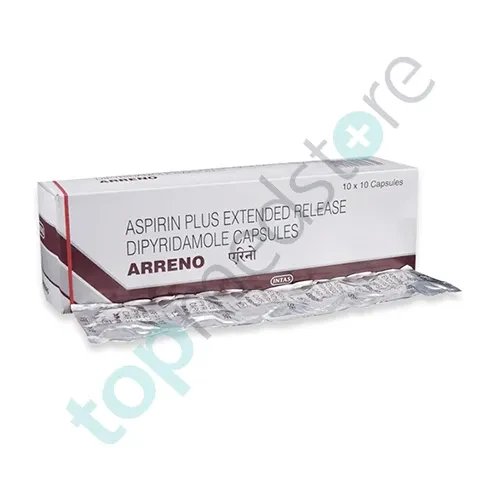
Aspirin–Dipyridamole is a prescription medicine used to prevent stroke and blood clots. It is commonly given by a cardiologist or neurologist to people who have had a stroke, mini-stroke, or who have a high risk of blood vessel blockage.
This medicine contains two active ingredients: Aspirin and Dipyridamole. Aspirin helps prevent blood clots. Dipyridamole helps improve blood flow and also reduces clot formation.
A blood clot is a thick mass of blood. It can block blood flow in arteries. Arteries are blood vessels that carry blood from the heart to the brain and other parts of the body. If blood flow to the brain is blocked, it can cause a stroke.
Aspirin–Dipyridamole capsules or tablets are used for long-term protection. They help reduce the chance of future strokes. This medicine does not treat an emergency stroke.
Aspirin–Dipyridamole works by stopping blood clots and improving blood flow.
Aspirin makes blood platelets less sticky. Platelets are small blood cells. They help the body stop bleeding after injury. But sometimes they form clots inside blood vessels without injury.
Aspirin blocks a chemical process in the body. This reduces clot formation.
Dipyridamole works in a different way. It increases a natural chemical called adenosine. Adenosine helps relax blood vessels. Relaxed blood vessels allow blood to flow more easily.
A blood vessel is a tube that carries blood in the body.
When both medicines work together, they give better protection against clots. They help keep blood flowing smoothly, especially in brain vessels.
Doctors use Aspirin–Dipyridamole mainly to prevent stroke.
It is often given to people who already had a stroke or a TIA (Transient Ischemic Attack). A TIA is also called a mini-stroke. It happens when blood flow to the brain stops for a short time and then improves.
Common uses of Aspirin–Dipyridamole medicine include:
A neurologist or cardiologist decides who needs this medicine. They check blood pressure, cholesterol, diabetes, and past medical history.
This medicine is used for long-term prevention. It helps reduce the risk of future brain attacks.
Aspirin–Dipyridamole works in two simple ways.
Aspirin blocks a chemical in the body called COX. This chemical helps platelets stick together. When COX is blocked, platelets become less sticky. This lowers clot formation.
Clots are dangerous because they can block blood flow in arteries.
Dipyridamole increases blood flow. It raises levels of adenosine, a natural body chemical. Adenosine relaxes blood vessels. Relaxed vessels allow blood to move more easily.
Together, these two medicines reduce clot formation and improve blood flow to the brain. This lowers the risk of stroke.
Like all medicines, Aspirin–Dipyridamole may cause side effects.
Common side effects include headache, dizziness, stomach pain, nausea, and heartburn. Heartburn means a burning feeling in the chest caused by stomach acid.
Some people may get easy bruising or mild bleeding. This happens because Aspirin makes blood less able to clot.
Dipyridamole may cause flushing. Flushing means warmth and redness in the face.
Rare side effects include stomach ulcers or internal bleeding. Signs include black stools, vomiting blood, or severe weakness.
Patients should avoid other blood-thinning medicines unless a doctor advises it.
A cardiologist or neurologist may adjust the dose if side effects are strong.
This content is for educational purposes only. It is not a substitute for professional medical advice, diagnosis, or treatment. Always consult a cardiologist or neurologist before using Aspirin–Dipyridamole tablets or capsules or making changes to your stroke prevention treatment plan.
| Product name | Aspirin-Dipyridamole |
|---|---|
| Category | Blood Thinners & Antiplatelet Medicines |
| Shipping offer | Free shipping on orders of $110.00 or more |
$112.00 – $366.24
$98.00 – $320.32
$55.02 – $179.76
$28.00 – $89.60