Rivaroxaban 20mg
$112.00 – $366.24
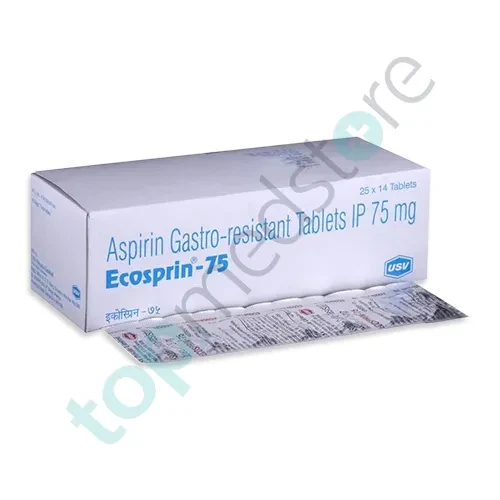
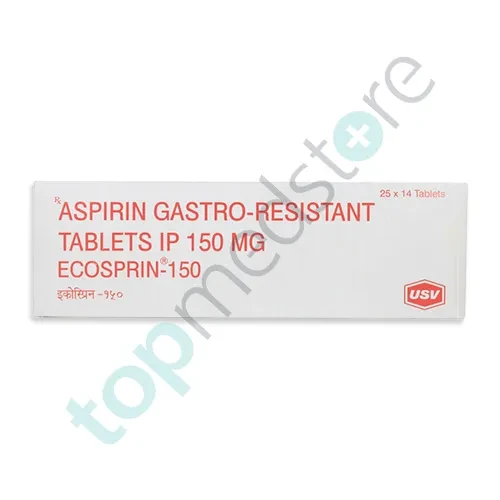
| Product name | Aspirin 75mg |
|---|---|
| Active Ingredient | Aspirin |
| Dosage | 75mg |
| Drug Type | Tablets |
| Indication | Cardiovascular Prevention |
| Manufacturer | USV Ltd |
Total $18.20
Aspirin 75mg is a prescription or over-the-counter medicine used in low doses to protect the heart and blood vessels. It belongs to a group of medicines called antiplatelet agents.
Platelets are small blood cells that help the blood clot. When platelets become too active, they can form unwanted clots inside blood vessels. These clots can block blood flow and lead to serious problems like heart attack or stroke.
Doctors often prescribe Aspirin 75mg tablets as a “blood thinner” in simple terms. It does not actually thin the blood, but it reduces the ability of platelets to stick together.
Cardiologists commonly recommend Aspirin 75mg for long-term heart protection. A cardiologist is a doctor who treats heart and blood vessel diseases.
Many patients take this medicine daily under medical advice to reduce the risk of serious cardiovascular events.
Aspirin 75mg works by reducing the activity of platelets in the blood. Platelets normally gather at injury sites to form clots and stop bleeding. But in some people, platelets can form clots inside blood vessels even when there is no injury.
This medicine blocks an enzyme called cyclooxygenase (COX). This enzyme helps produce a chemical called thromboxane, which makes platelets stick together.
When Aspirin tablets block this process, platelets become less sticky. This reduces the risk of unwanted blood clot formation inside arteries.
As a result, blood flows more smoothly through narrowed or damaged blood vessels. This helps lower the chances of heart attack, stroke, and other clot-related conditions.
The effect of one dose lasts for several days because platelets are affected for their lifespan in the blood.
Doctors prescribe Aspirin 75mg mainly for the prevention of heart attack and stroke.
It is commonly used in people who already have heart disease or have a high risk of developing it. These include patients with high blood pressure, diabetes, high cholesterol, or a history of smoking.
Aspirin tablets are also used in patients who have previously had a heart attack or stroke. In such cases, the medicine helps prevent future episodes.
Doctors may prescribe Aspirin 75mg after certain heart procedures like angioplasty or stent placement. A stent is a small tube placed in blocked arteries to keep them open.
In some cases, it is used to reduce the risk of blood clot formation in patients with narrowed arteries.
It is important to note that this medicine is not used for general pain relief in this low dose. Its main role is heart protection.
Aspirin 75mg works by reducing the ability of platelets to form clots.
It blocks the COX enzyme in platelets, which lowers the production of thromboxane. Thromboxane is a chemical that signals platelets to stick together and form clots.
When this signal is reduced, platelets remain less active and less sticky. This helps prevent clots from forming inside arteries.
By keeping blood flow smoother, Aspirin tablets help reduce stress on the heart and improve blood circulation in the body.
This effect is especially important in arteries that are already narrowed due to fatty deposits. These deposits are called plaque.
Over time, plaque buildup can reduce blood flow and increase the risk of sudden blockage. Aspirin 75mg helps reduce this risk when used regularly as prescribed.
Doctors carefully balance the benefits and risks because the medicine can also affect normal clotting needed to stop bleeding.
Like all medicines, Aspirin 75mg may cause side effects in some people. Most side effects are mild but should still be monitored.
Common side effects include stomach irritation, heartburn, nausea, and mild stomach pain. Some patients may feel discomfort after taking the tablet on an empty stomach.
Aspirin can also increase the risk of bleeding because it reduces clot formation. This may appear as easy bruising, nosebleeds, or longer bleeding time from small cuts.
In rare cases, it may cause serious stomach bleeding or ulcers. This risk increases in people who take it without food or combine it with alcohol or other blood-thinning medicines.
Some people may develop allergic reactions such as rash, swelling, or breathing difficulty. These symptoms require immediate medical attention.
Patients with stomach ulcers, bleeding disorders, or asthma should inform their doctor before using Aspirin tablets.
This content is for educational purposes only. It does not replace medical advice, diagnosis, or treatment. Always consult a cardiologist or healthcare professional before starting or stopping Aspirin 75mg. Use this medicine only under proper medical supervision.
$112.00 – $366.24
$98.00 – $320.32
$55.02 – $179.76
$28.00 – $89.60