
Aceclofenac-Thiocolchicoside
$68.80 – $225.20
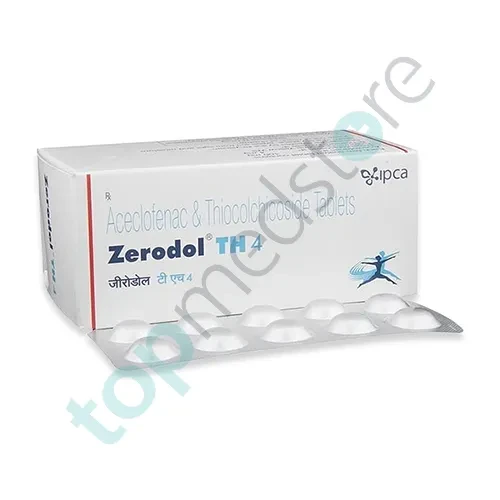
| Product name | Aceclofenac-Thiocolchicoside 100mg-4mg |
|---|---|
| Active Ingredient | Aceclofenac-Thiocolchicoside |
| Dosage | 100mg-4mg |
| Drug Type | Tablets |
| Indication | Muscle Spasm |
| Manufacturer | Ipca |
Aceclofenac-Thiocolchicoside 100mg-4mg Tablets
In stock
Total $68.80
Aceclofenac Thiocolchicoside 100mg 4mg is a prescription combination medicine used to relieve muscle pain, stiffness, and inflammation. It is commonly prescribed when pain is linked with muscle spasm or tight muscles.
This medicine contains two active ingredients. Aceclofenac is a pain-relieving and anti-inflammatory drug. Thiocolchicoside is a muscle relaxant, which helps reduce muscle tightness and spasms.
Doctors, especially orthopedic specialists (bone and joint doctors) and physiatrists (rehabilitation doctors), prescribe this medicine for painful muscle and joint conditions.
It helps improve movement and reduces discomfort caused by muscle stiffness.
Aceclofenac + Thiocolchicoside 100mg/4mg works in two ways to reduce pain and improve movement.
Aceclofenac reduces inflammation in the body. When tissues are injured or strained, the body produces chemicals called prostaglandins, which cause pain, swelling, and redness. Aceclofenac blocks these chemicals, reducing inflammation and pain.
Thiocolchicoside works on the muscles. In painful conditions, muscles often become tight or go into spasm. This causes stiffness and discomfort.
Thiocolchicoside acts on the nervous system and helps muscles relax. When muscles relax, movement becomes easier and pain reduces.
Together, both medicines reduce pain from two directions: inflammation and muscle tightness.
Aceclofenac + Thiocolchicoside 100mg/4mg is mainly used for treating pain with muscle spasm.
It is commonly used in back pain (lower back pain or lumbar pain), where muscle tightness and inflammation occur together.
It is also used in neck pain (cervical pain), which can cause stiffness and restricted movement of the neck.
Doctors prescribe it for muscle strain or sprain, which can happen due to injury, heavy lifting, or sudden movement.
It may also be used in joint pain conditions, where muscles around joints become tight and painful.
In some cases, it is used for post-injury pain, where both inflammation and muscle spasm are present.
This medicine helps improve daily movement and reduces discomfort caused by stiff muscles.
This combination works by targeting both inflammation and muscle spasm.
Aceclofenac blocks enzymes called COX (cyclooxygenase enzymes). These enzymes produce prostaglandins, which are responsible for pain and swelling.
By reducing prostaglandins, aceclofenac helps lower inflammation and pain in tissues and joints.
Thiocolchicoside works on the central nervous system (brain and spinal cord). It reduces signals that cause muscle contraction.
When these signals are reduced, muscles relax naturally. This helps reduce stiffness, spasms, and discomfort.
Because both ingredients work together, patients feel relief from both pain and tightness, making movement easier.
Aceclofenac + Thiocolchicoside may cause side effects in some people, especially with longer use.
Common side effects include stomach pain, nausea, indigestion, or mild dizziness. These are usually mild and temporary.
Some people may feel sleepiness or tiredness due to the muscle relaxant effect.
Headache or dry mouth may also occur in some cases.
Less commonly, swelling or mild fluid retention may be seen.
Rare but serious side effects include stomach ulcers, internal bleeding, allergic reactions, or severe dizziness. These need immediate medical attention.
It should be used carefully in people with stomach, kidney, or liver problems under the supervision of an orthopedic specialist.
This content is for educational purposes only. It is not a substitute for professional medical advice, diagnosis, or treatment. Always consult an orthopedic specialist or qualified healthcare professional before using Aceclofenac + Thiocolchicoside 100mg/4mg. Use this medicine only under proper medical supervision.
$68.80 – $225.20